FRACTURES
Mihaela Michailov
2025
Alexandru Davila Theatre Pitești
https://www.teatruldavila.ro/event/fracturi/: untitled post 431DIRECTOR Irina Alexandra Banea
SET DESIGN Miruna Varodi
CAST Daniela BUTUȘINĂ, Ioana PODĂREANU, Mirela POPESCU, Teodora COLȚ, Florin DOBRE, Șerban GHILVACI
A title like Fractures might suggest a radical decision or situation that changes existing dynamics. But not all decisions are final, and not all situations involve irreversible decisions.
Fractures puts family tensions on stage, not to merely describe or expose them, but to allow them to be consumed so that the characters can return to their roles within the family: for whom do I stay? Who do I need to pay attention to? How much of myself also belongs to others? Who have I neglected?
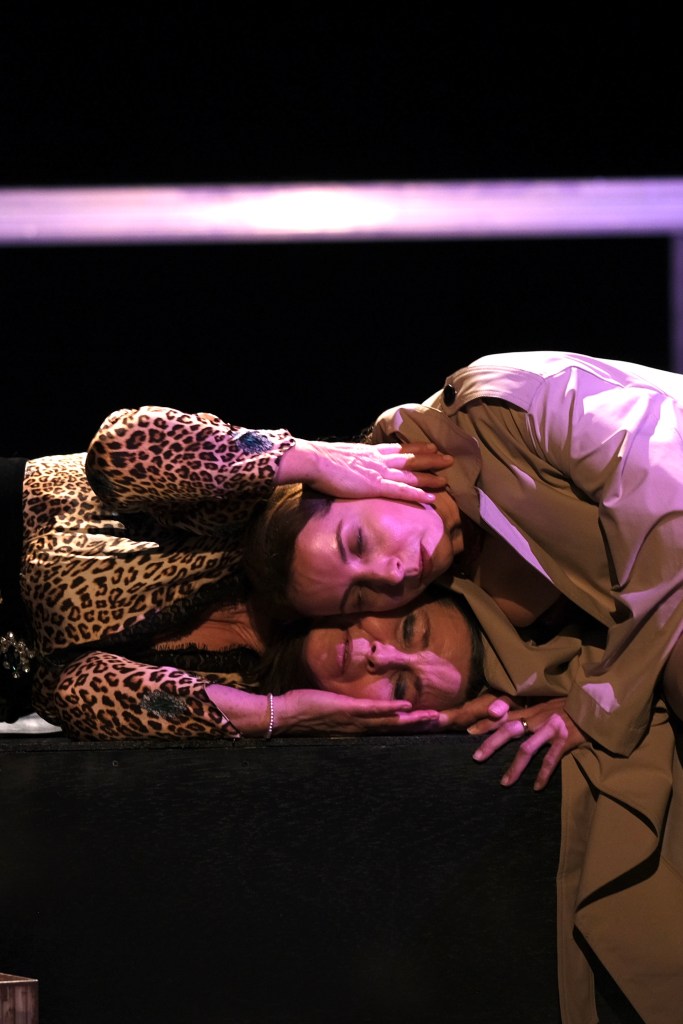
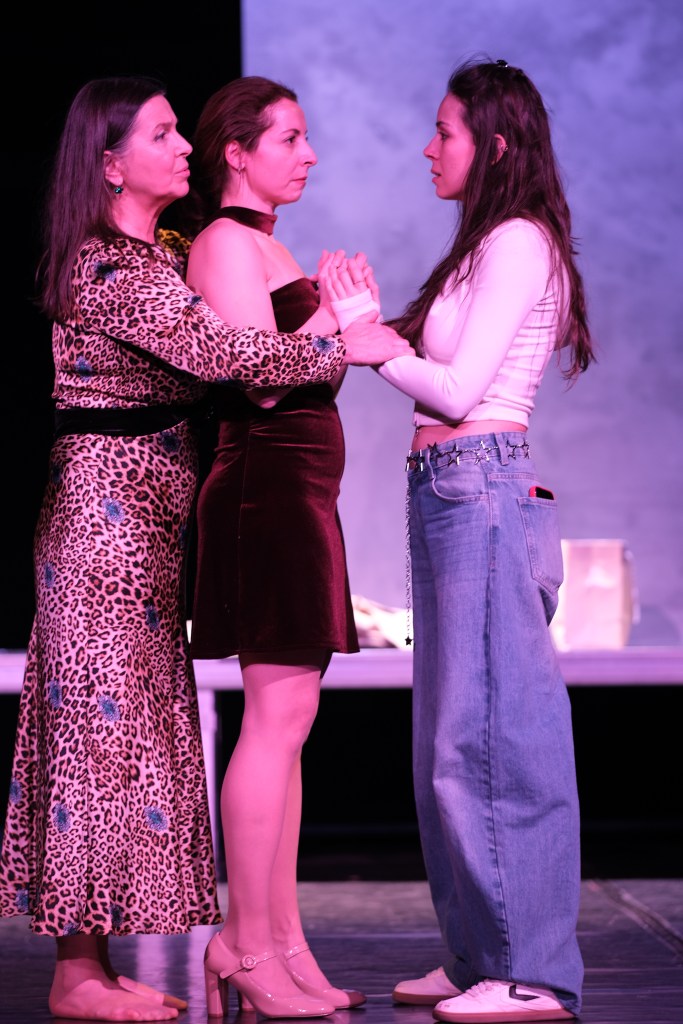
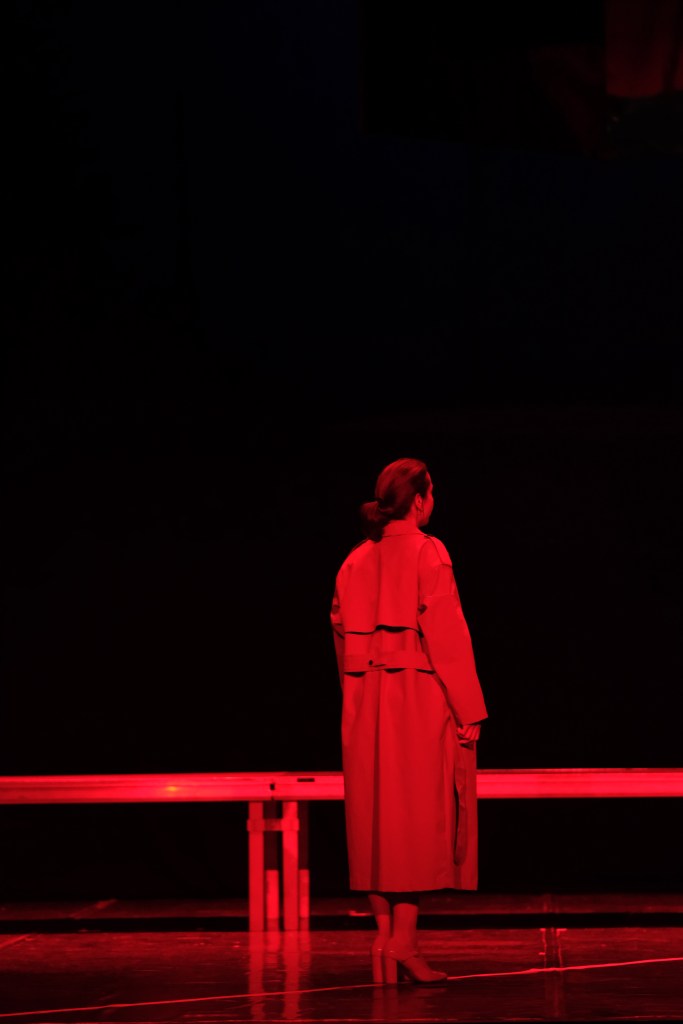
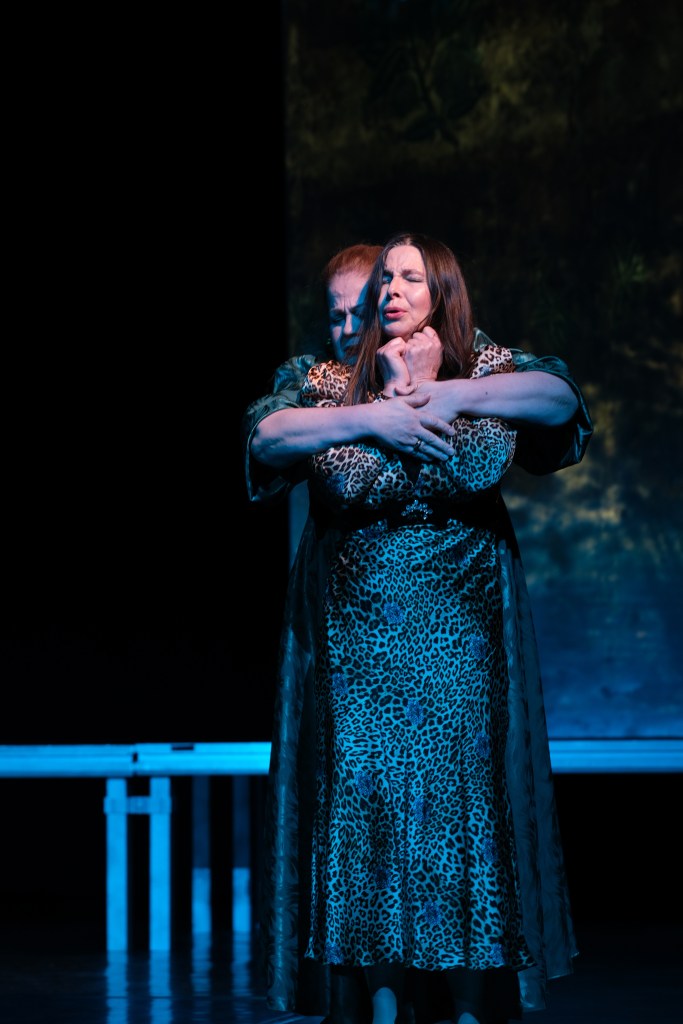
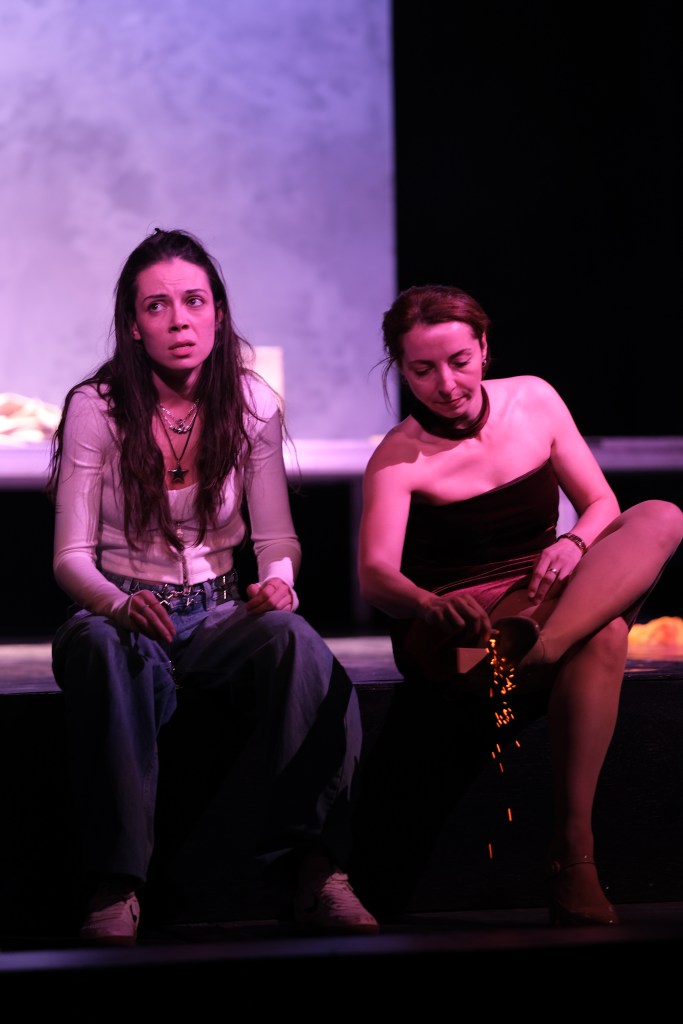
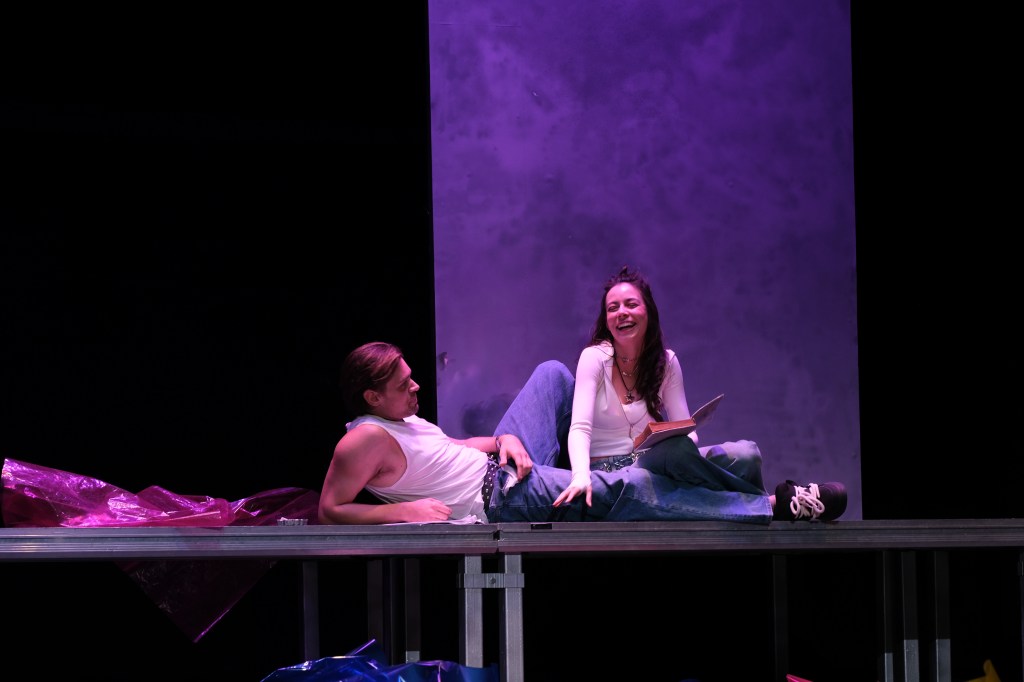
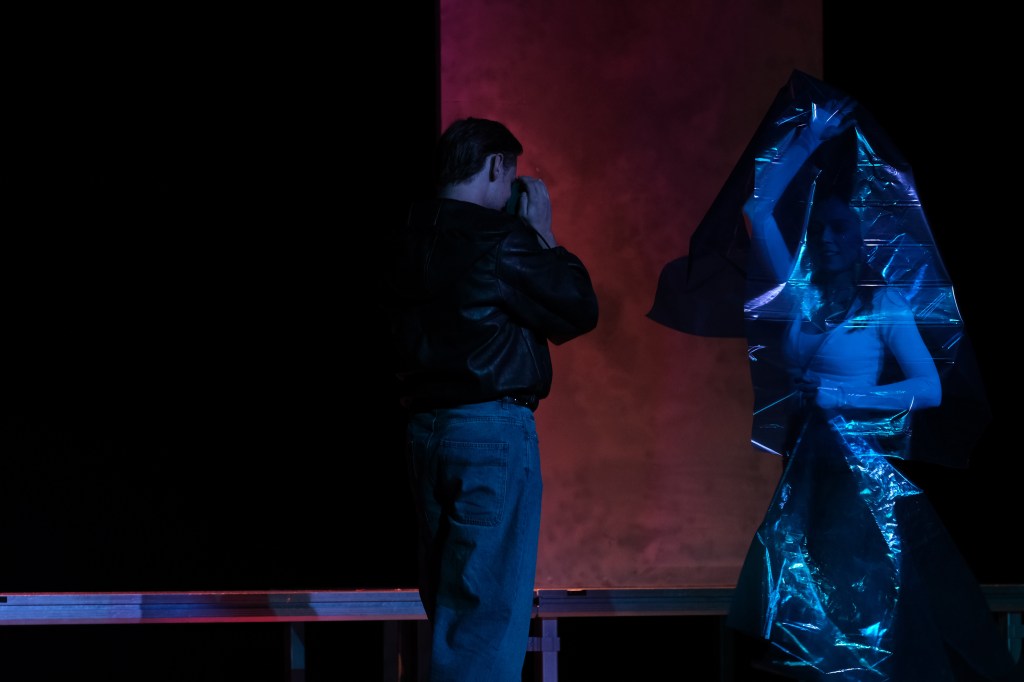
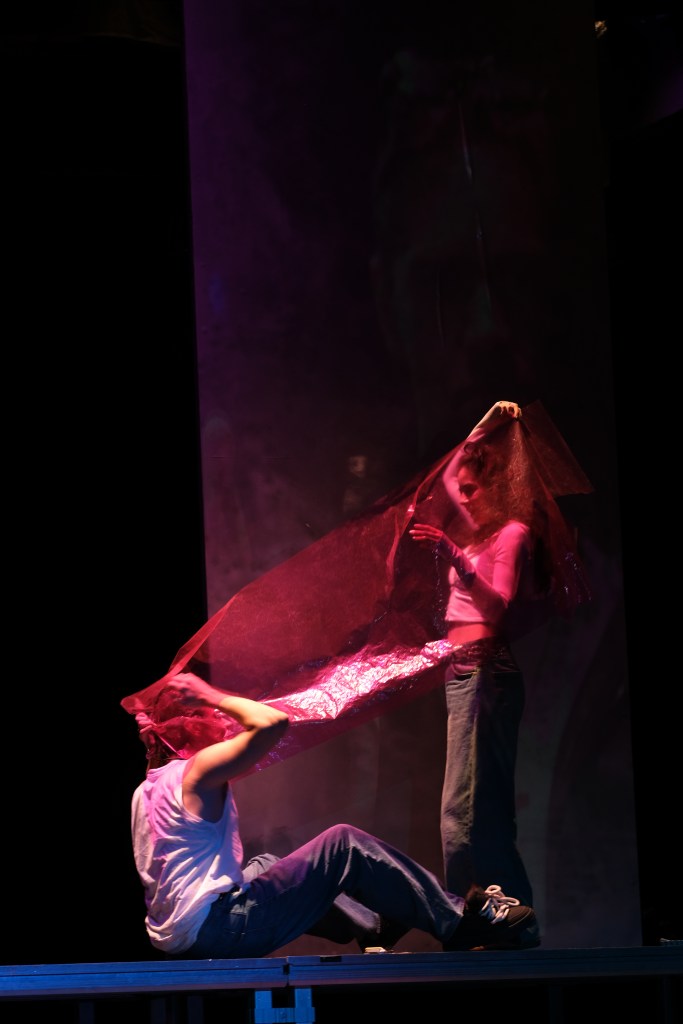
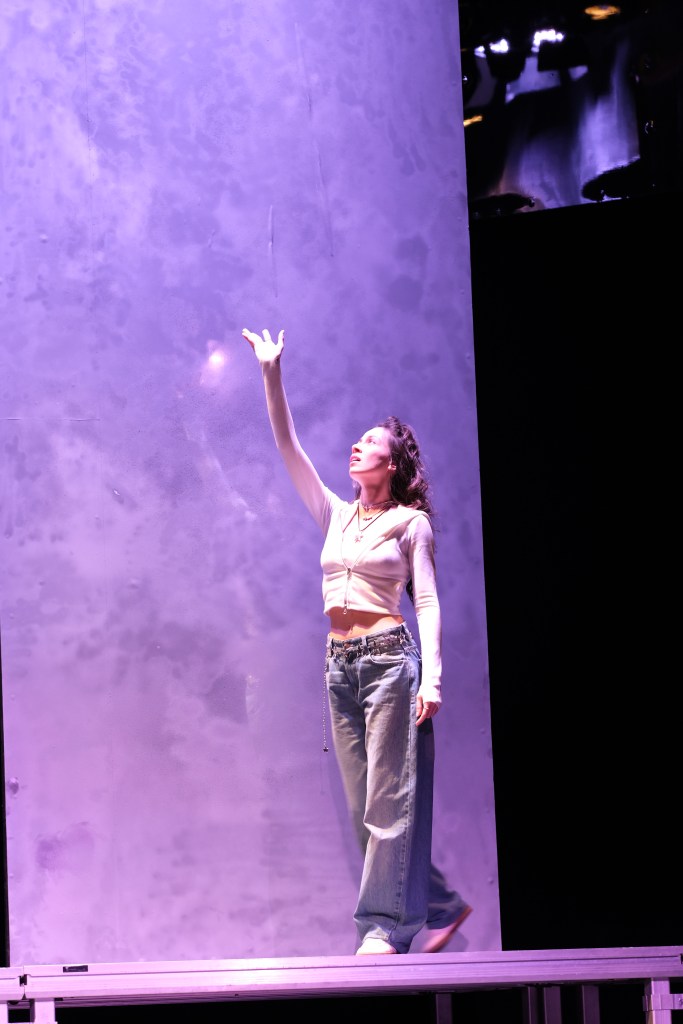
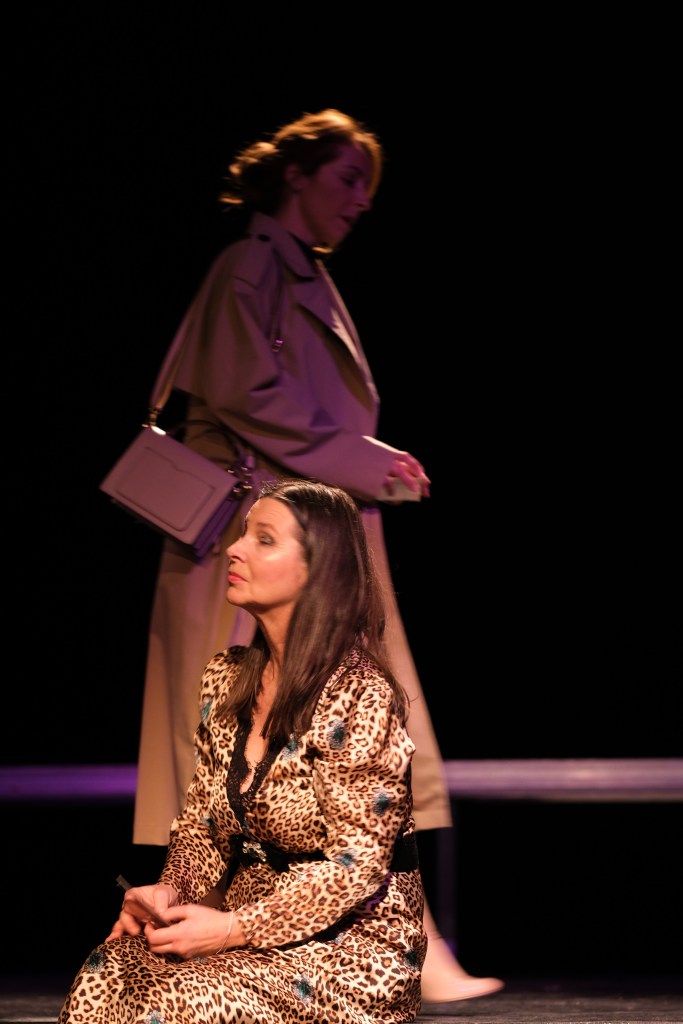
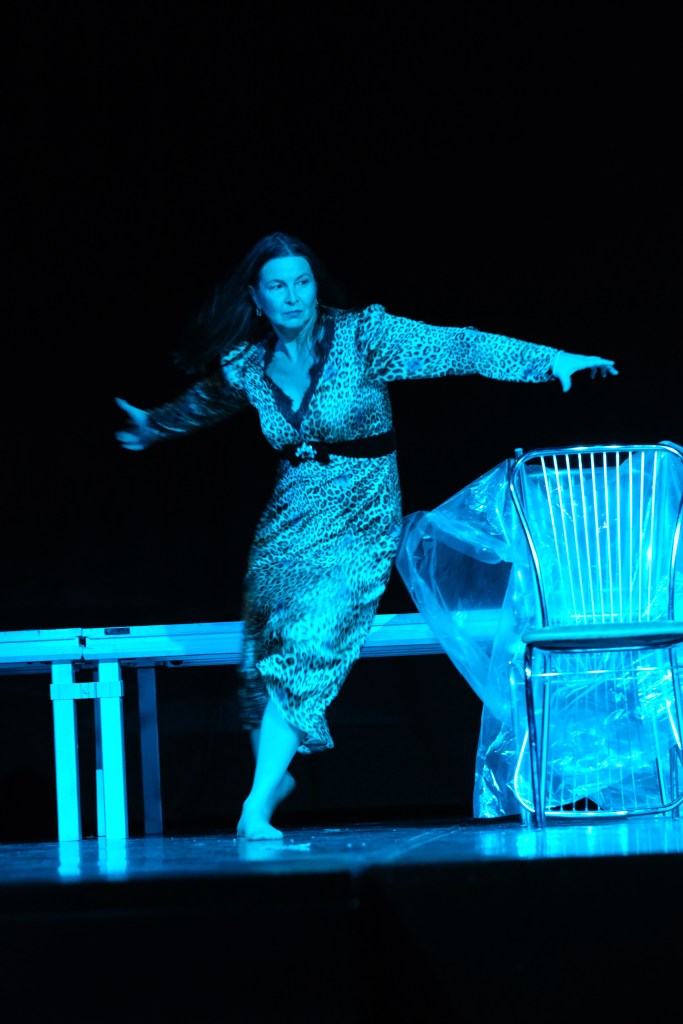
Three generations of women find themselves caught in the dynamics of unspoken words: Doina (the mother) must acknowledge, both to herself and to others, that she cannot return to Italy; Amalia (the daughter) realises that a marriage sustained only by habit cannot continue; and Andra (the granddaughter) chooses, not without difficulty, to live in a present open to all possibilities rather than make a choice that would determine the course of her life. All three navigate physical or emotional separations and attempt to build bridges of mutual understanding. The anchors of these bridges already exist, as gestures born from overwhelming fullness connect the three women. Moments such as dance—as a passion and an absolute mode of personal expression, a passion they all share—bind them together even when they are not aware of it.
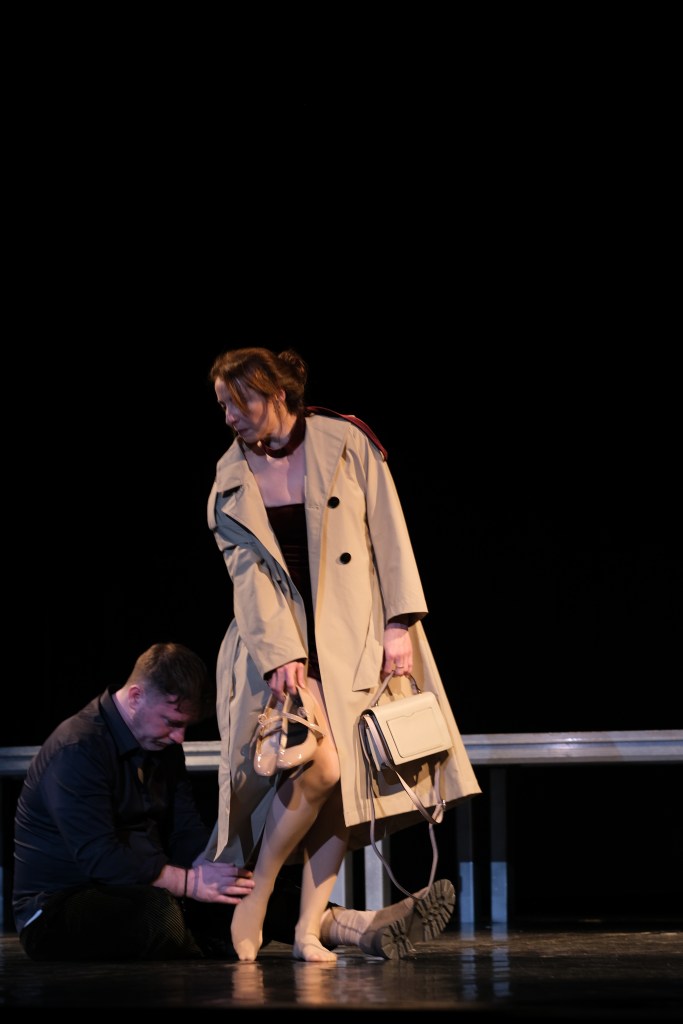
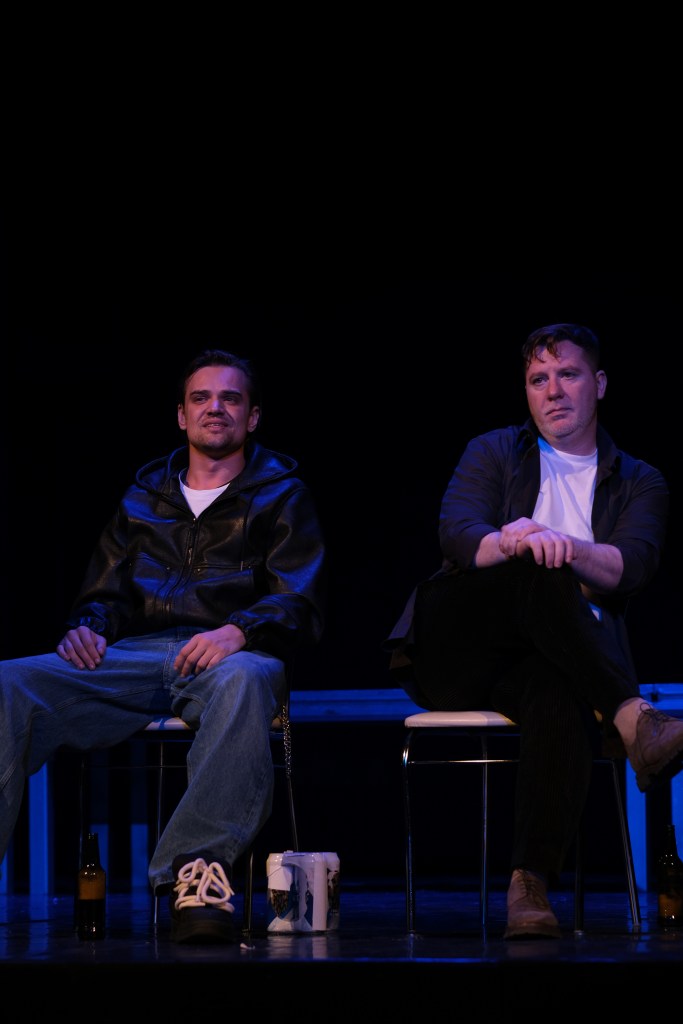
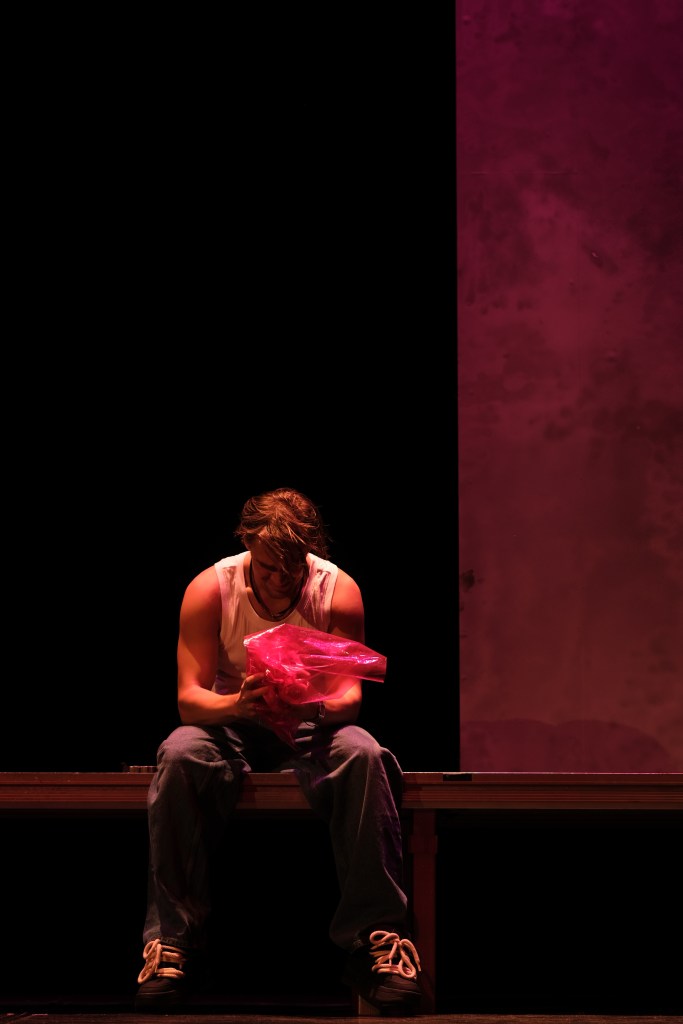
The other characters also live within their own emotional fractures, where the desire to assert their own will struggles to emerge: Corina, Doina’s friend, lives in a normality dictated by rituals, which serve as anchors to the past, such as her attachment to the tree that witnessed her childhood and her entire life; Marian, Amalia’s husband and Andra’s father, lets go of the jokes he used to hide behind and finally begins to be genuinely present for his family; and Matei, Andra’s boyfriend, clings to an idealised hypothetical future, missing the real encounter with Andra.
The state of suspension and uncertainty in which the characters find themselves does not lead to introspection or selfish withdrawal, but rather to a turning toward others. The wounds caused by departures, the pain of being ignored, the acute sense of abandonment—all are addressed and exhausted through confrontation and by bringing these long-silenced situations into discussion.

 Irina Alexandra BANEA